The first time a newly minted Tenno watched their credit balance vanish into a single blueprint, they laughed. It was a nervous laugh, the kind that says, so this is the grind. In Warframe, credits are the quiet currency behind almost every upgrade, skin, and leveling spree. The game is free-to-play, and its farming loops are part of the bargain. The good news? The credit hunt is not one road. It is a whole map of small adventures, and in 2026 that map still rewards players who know where to look.

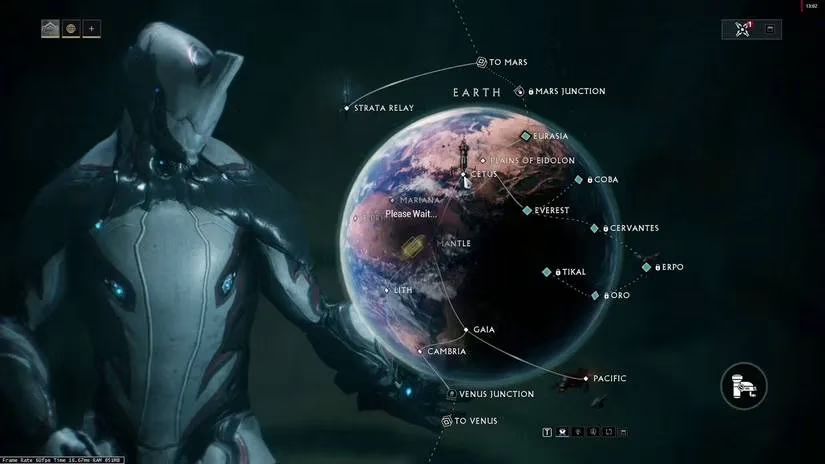
For beginners, credits arrive like loose change in a coat pocket. Missions pay out, enemies drop them, and loot chests pop open with a satisfying little chime. Early on, no one feels the pinch. Then the first serious weapon build appears, and suddenly every credit matters. That is when a veteran named Mara tells new players to stop wandering and start farming with purpose. Her first stop is always Earth. Specifically, Coba.
Coba is a Dark Sector defense node, and it is one of the friendliest credit farms for fresh Tenno. Every five stages brings a credit reward, and all those defeated enemies and broken crates add their own scattered payouts. Bring a party if possible. More players mean more loot, more kills, and a faster mission. Mara also swears by a simple trick: make Coba the first mission of the day. The daily double credit bonus turns a modest run into a wallet-filling surprise. Easy peasy, she says, and then she is already loading into the next wave.
The second lesson is about crowds. Warframe is at its best when players flow toward the same popular nodes. On Ceres, the Seimeni and Gabii nodes draw steady groups, and Seshura on Pluto offers another relaxed option. These are not the most punishing corners of the star chart. They are comfortable farming spots where squads form quickly and missions move along. Seimeni is the darling of the bunch, popular with beginners and veterans alike. It is the kind of place where a Tenno can settle in, crack a few relics, and watch the credit count climb without too much fuss. There is no shame in a comfortable grind.
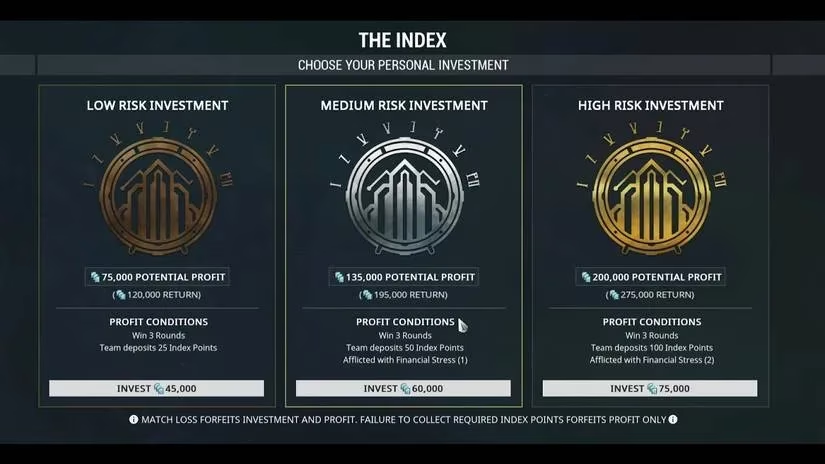
Then comes the Index. For advanced players, this Neptune arena is the main event. Two teams fight for points, and the winner takes the wager placed at the start. Low, Medium, and High investments change the stakes. A strong round can produce up to 200,000 credits in profit, which is the sort of number that makes a Tenno sit up straight. Mara recommends the Medium wager as the best balance of risk and reward. She also insists on bringing a Rhino Warframe to withstand the combat side of the Index. The arena does not care about elegant footwork. It cares about survival.
There is one rule that every Index runner learns, sometimes the hard way: points stop mattering after 20. Once that cap is reached, bank the points or lose them. Trust me, Mara says, the Index has no mercy for hoarders. Losing the match also means losing the wager, so the credits can vanish as quickly as they arrived. That risk is what makes the Index exciting, and it is why prepared squads treat it like a heist rather than a casual stroll.
| Method | Location | Best For | Quick Note |
|---|---|---|---|
| Coba Dark Sector defense | Earth | Beginners | Every five stages pays credits; first mission of the day gives a double bonus |
| Seimeni, Gabii, Seshura | Ceres and Pluto | Relaxed group farming | Popular nodes with steady squads |
| The Index | Neptune | Advanced players | Medium wager is the sweet spot; bank at 20 points |
The credit grind in Warframe can feel repetitive, but it does not have to feel hollow. Coba teaches patience. Ceres and Pluto teach rhythm. The Index teaches risk. Together, they turn a chore into a tour of the star chart. In 2026, the game still hands out credits to players who show up, squad up, and know when to bank. The Tenno who learns that lesson early will spend less time staring at a empty wallet and more time enjoying the spoils. And really, that is the whole point. 🚀
Loading comments...