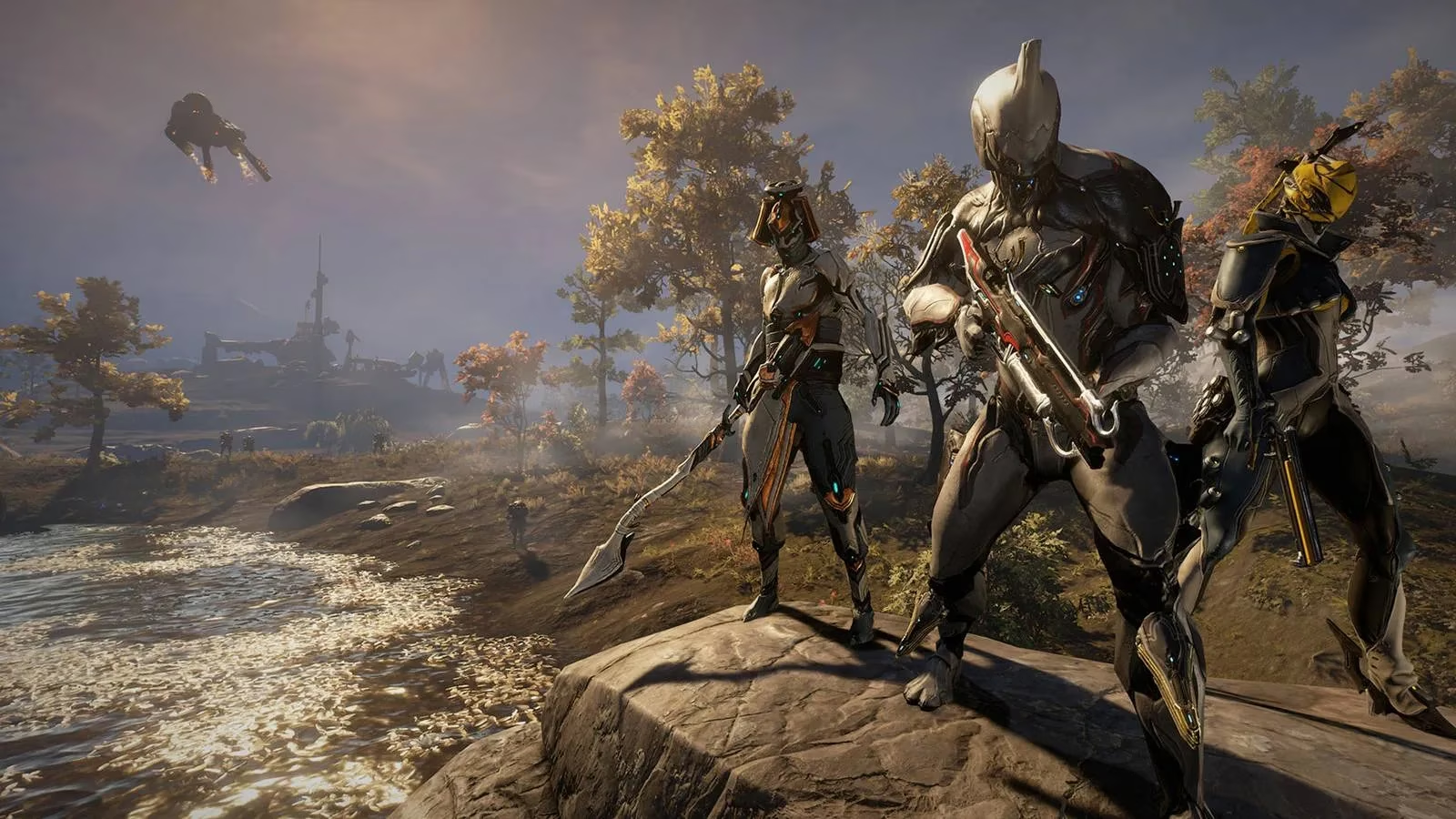
Digital Extremes' Warframe has been a mainstay in the gaming world since its debut in 2013, carving out a unique niche as a free-to-play sci-fi action MMO. Over the past decade, the studio has consistently fed its passionate community with expansive updates, taking players on an epic, ever-evolving interstellar adventure. It's the kind of game that just keeps on truckin', defying early expectations to become a powerhouse. But as the calendar turns to 2026, whispers about the game's longevity are growing louder. With the studio's attention divided by new projects, the question isn't if this Tenno-powered journey will end, but when and how its final chapter might unfold.
From Rocky Start to Stellar Success
Man, talk about a comeback story. When Warframe first launched, it was met with a collective shrug from many critics—some even thought it was dead on arrival. Sure, the movement and combat were a blast (and honestly, they still are), but the rest of the package? Let's just say it was a bit rough around the edges. Digital Extremes, however, refused to let their creation fade into obscurity. They did something that seems obvious but is surprisingly rare: they actually listened to their small, dedicated player base.
-
Community-First Approach: The developers engaged directly with players, implementing feedback and fostering a sense of co-creation.
-
Strategic Expansion: They leveraged popular streamers and expanded to new platforms like Steam, which was a game-changer for visibility.
-
Content Pipeline: Once the game started generating revenue, that money was funneled right back into a consistent stream of new content, quality-of-life improvements, and major system reworks.
This formula of listen, adapt, and deliver transformed Warframe from a niche title into a behemoth. It's now available on virtually every platform, has won numerous awards, and boasts one of the most dedicated communities on Steam. The game has come a long way from its humble beginnings.
The Inevitable Challenge of Time and Attention
Even the mightest stars eventually burn out. Warframe's impressive decade-plus run is a testament to its quality, but no live-service game is immortal. Player burnout is a real thing—folks get tired of the grind or simply move on to the next shiny thing. When engagement dips and those crucial microtransaction sales slow, the resources for new, exciting content inevitably dry up. It's the natural lifecycle of any online world.
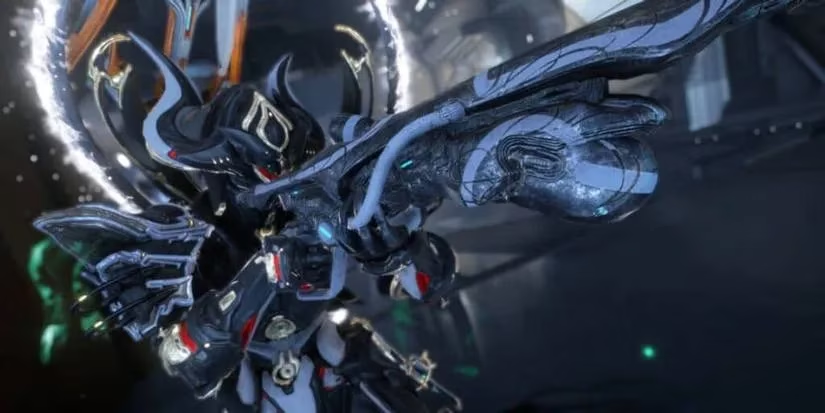
The landscape in 2026 presents new hurdles. Digital Extremes is no longer a one-game studio. Their ambitious fantasy MMORPG, Soulframe, announced at TennoCon 2022, is a direct new venture. On top of that, they're publishing Wayfinder from Airship Syndicate. This creates a tricky situation:
| Project | Genre | Status | Potential Impact on Warframe |
|---|---|---|---|
| Warframe | Sci-Fi Action MMO | Live Service (Since 2013) | The established veteran, facing competition for resources. |
| Soulframe | Fantasy MMORPG | In Development | May attract Warframe veterans seeking a fresh fantasy setting. |
| Wayfinder | Online Action RPG | Published Title | Could split the player base looking for a new online co-op experience. |
While these games are different genres, they all target the core MMO/co-op audience. There's a real risk of them cannibalizing each other's player bases and, more critically, splitting the development team's focus and resources. When a new, shiny project is in the works, it's only human nature for a studio to pivot its best talent and most passionate energy toward the new frontier.
A Future of Collaboration or Competition?
It's not all doom and gloom, though. This multi-game strategy could also be a masterstroke. Think of it like this: a player who's taken a break from Warframe might jump into Soulframe for a completely new vibe. If they have a great experience with Digital Extremes' design philosophy there, they might just get nostalgic and circle back to their old Warframe account. The games could theoretically feed into each other, creating a larger, interconnected ecosystem of players loyal to the studio's brand.
But that's the optimistic view. The reality is that Warframe is an elder statesman in a fast-moving industry. Its age shows in some of its underlying systems and onboarding experience, which can be daunting for new players. The arrival of Soulframe and Wayfinder offers veterans a natural exit point—a compelling reason to finally close the book on their Tenno journey and start a new one elsewhere.
So, where does that leave our beloved space ninjas? Warframe isn't shutting down tomorrow. It still has a massive, active community and a roadmap of content. However, the writing is on the wall. The incredible, sustained effort required to keep a live-service game thriving for over a decade is monumental, and studios eventually need to look to the future. The simultaneous development of two major new online worlds signals a gradual, perhaps inevitable, shift in priority. Warframe's legacy is already secure, but its sunset, while not imminent, may be closer on the horizon than anyone wants to admit. The coming years will tell if it goes out with a triumphant, story-concluding bang or a slow, quiet fade into the Origin System's starscape.
Loading comments...