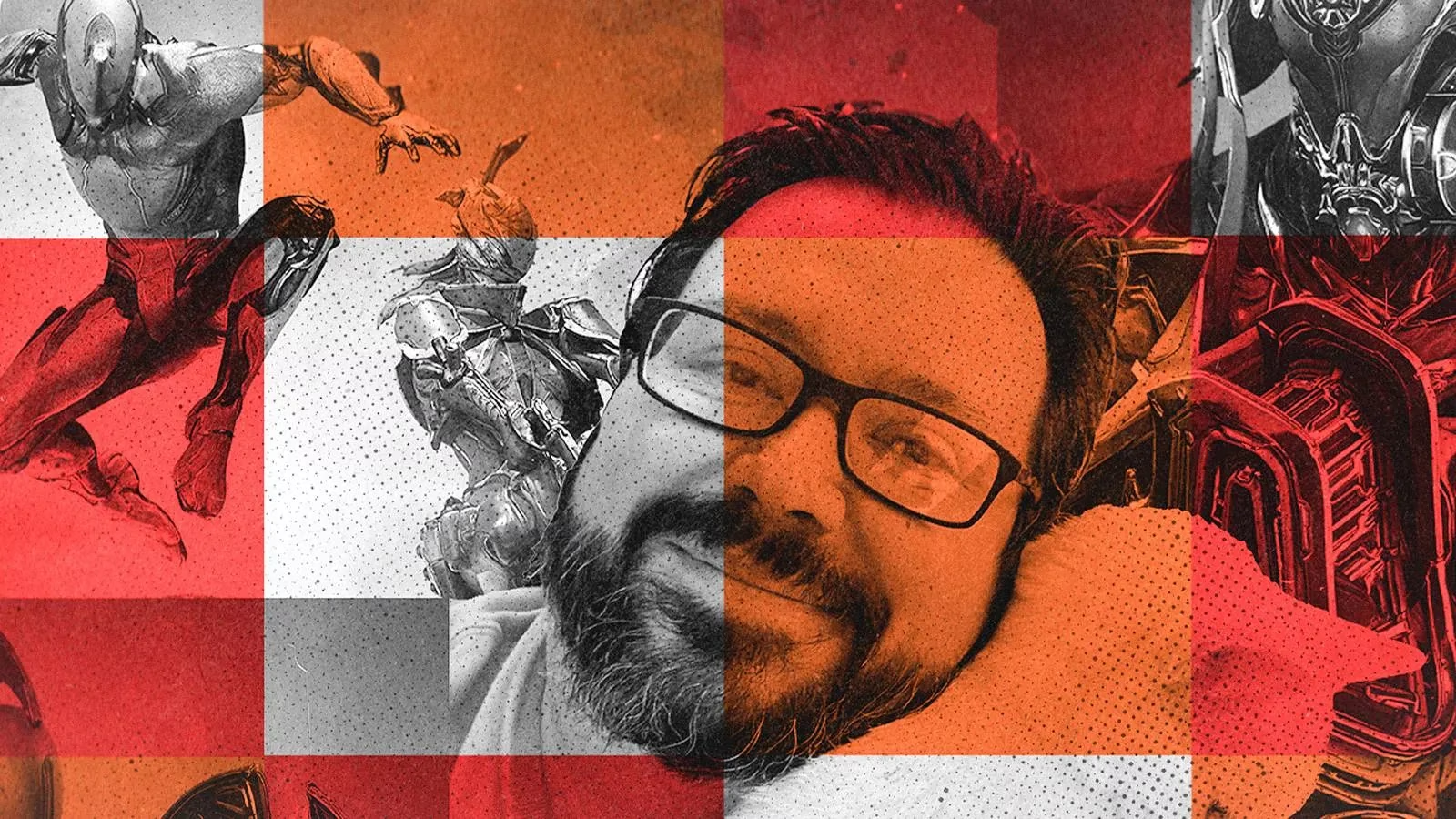
Twelve years is a long time in the gaming world, but for the dedicated developers at Digital Extremes and their ever-expanding universe of Warframe, it's just another chapter in an epic saga. Following the monumental release of Warframe: 1999, which transported Tenno to the nostalgic yet perilous world of Höllvania, the team isn't resting on their laurels. In a candid chat with Design Director Pablo Alonso, the focus shifts to the upcoming Techrot Encore update, a surprisingly hefty content drop that promises to build upon recent successes while addressing the eternal balance between novelty and the game's core essence. It's a dance they've perfected over the years, learning that a shift in tone—like the retro-futuristic vibes of 1999—can make the familiar feel fantastically fresh without losing its soul.
🎸 An Encore Performance: Building on a Hit
While 1999 was a blockbuster release, Techrot Encore is shaping up to be an unusually substantial follow-up for this point in the year. Alonso reveals that the team rarely feels they've "missed out" on ideas for a major update, thanks to their established pipeline of larger releases followed by Echoes updates for refinement and expansion. However, the creative process is never truly finished.
"Artists never finish, only abandon," Alonso laughs, quoting the famous adage. "It's the same for games; I could keep on iterating on some of those ideas forever... I could still be working on Duviri or The New War right now."
The key is finding that sweet spot of satisfaction. For 1999, Alonso feels they achieved nearly all their objectives. The only casualty? A whimsical air hockey minigame that didn't make the final cut—a testament to the plethora of ideas constantly bubbling in the studio's cauldron. This update introduces the new Temporal Archimedea system, offering a fresh twist on the challenging Deep Archimedea gameplay. But what about revisiting older, singular mission types like Shrine Defense or the notoriously complex Ascension mode? Alonso draws a clear distinction:
-
Portable Modes vs. Bespoke Experiences: Game modes like Alchemy are conceptually easy to transplant, as their location isn't integral. Ascension, however, is a "custom map with custom logic"—one of the hardest modes they've ever crafted. Recreating it elsewhere would be a "nightmare" and isn't a priority.
-
Priority Logic: The focus remains on systems that serve a clear, repeatable purpose, like Deep Archimedea's role as a weekly challenge, rather than overhauling unique, narrative-driven experiences.
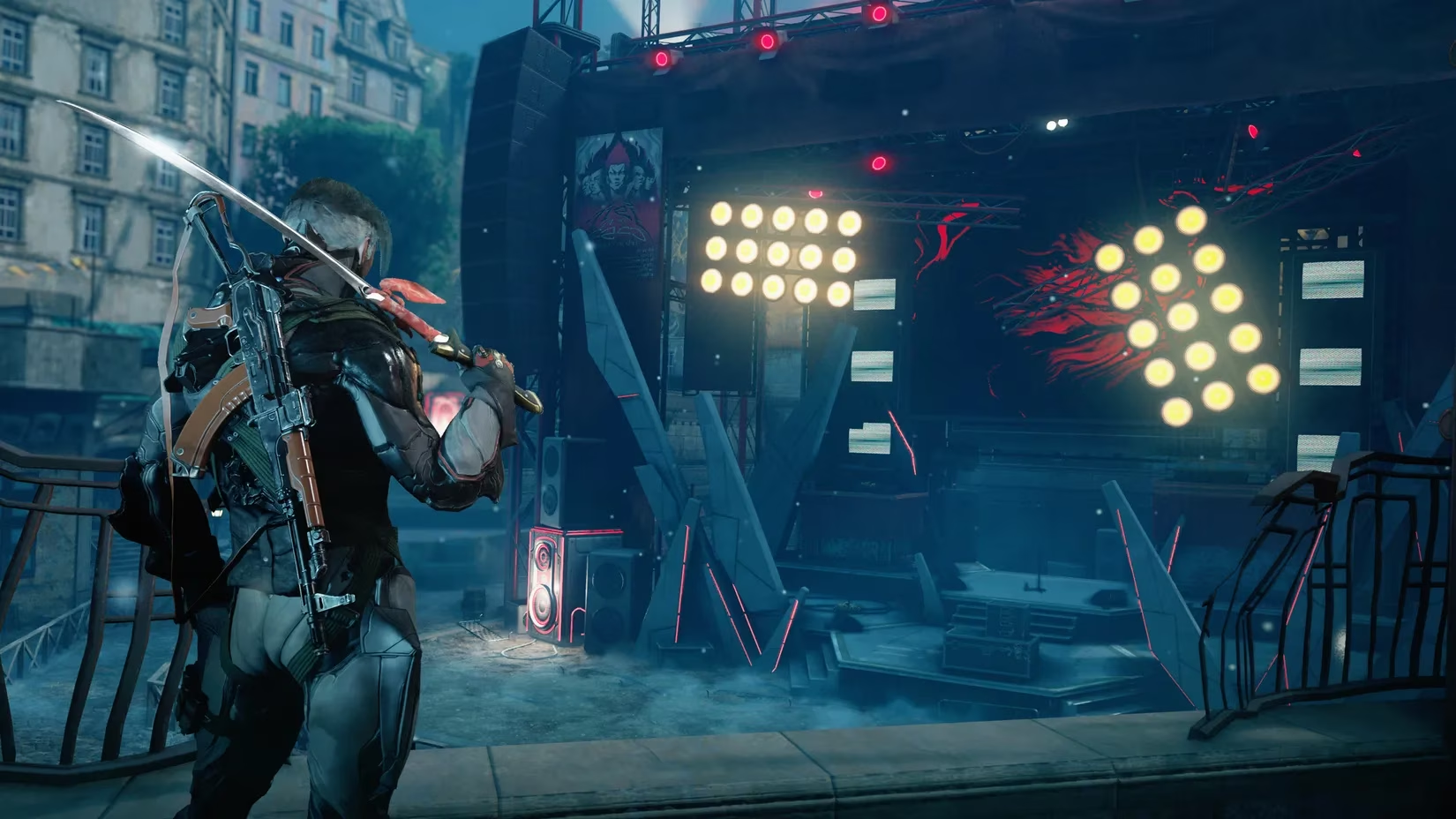
🎤 The Infested Boyband Takes the Stage
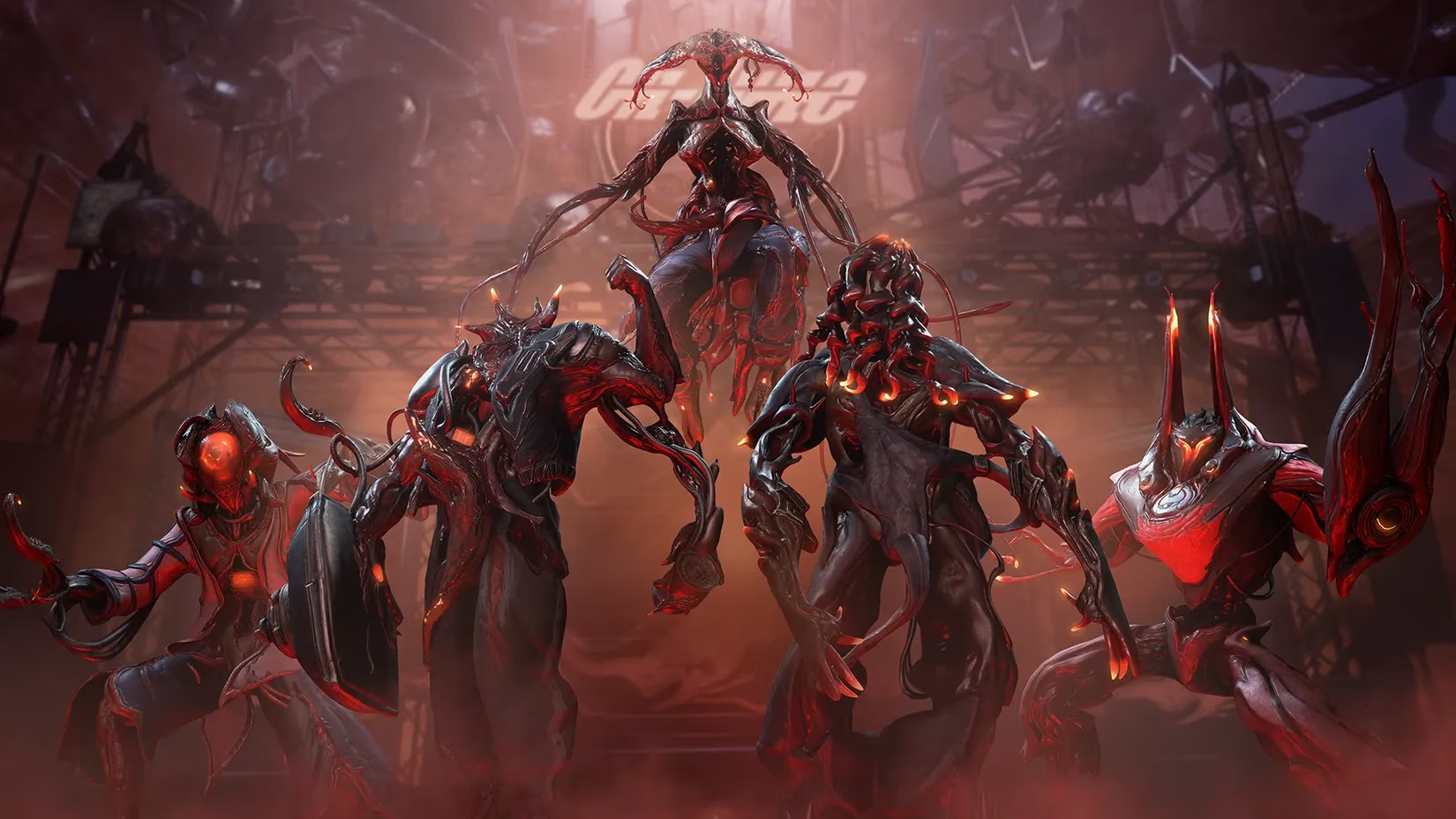
Techrot Encore isn't just about systems; it's about style and substance. New Technocyte Coda enemies are crashing the party, accompanied by a whopping 18 new weapons. Some are brand new, while others are infested revamps of older, underused arsenal pieces. So, how does the team decide which guns get the parasitic makeover?
Alonso outlines a pragmatic, data-informed approach centered on one of the game's core pillars: variety.
-
Usage Data & Viability: The team identifies weapons gathering dust in players' arsenals, figures out why (poor stats, clunky mechanics), and aims to "bump those up."
-
Weapon Type Balance: They strive for equilibrium across categories—Critical vs. Status weapons, and a healthy mix of melee, secondary, and primary arms.
-
Rescuing Cool Gimmicks: Sometimes, a weapon has a fantastic concept that's just not effective in practice. These are prime candidates for a glow-up.
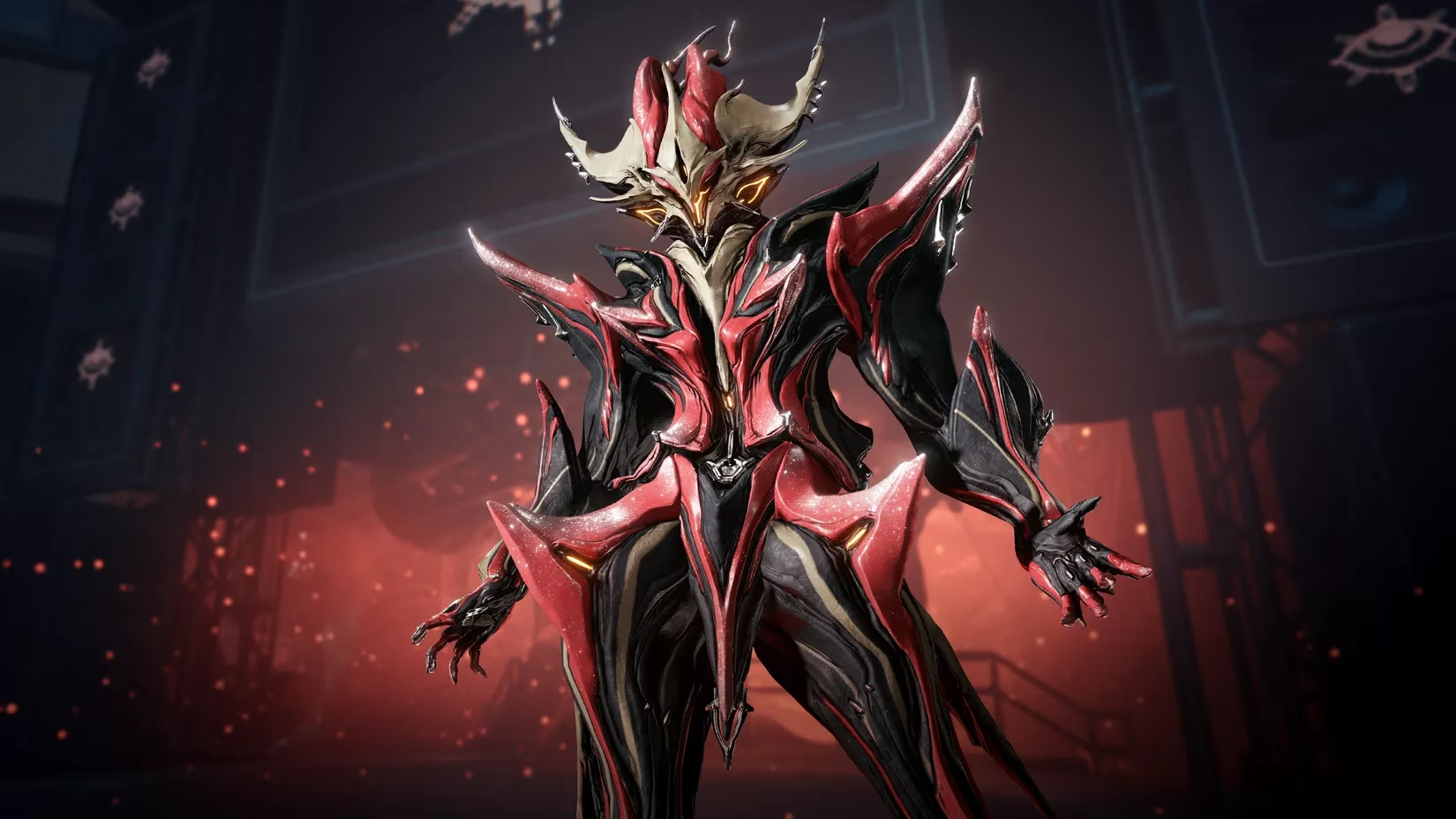
This philosophy extends to new additions like the Coda Motovore (continuing 1999's quirky pizza theme) and the headline-grabbing new Warframe, Temple, a literal rockstar who fits the update's aesthetic perfectly. In a game with nearly 60 unique Warframes, one might wonder: where do all these ideas come from? Alonso chuckles at the memory of early doubters who predicted the well would run dry.
"Ideas come relatively easily, you just have to have fun with them," he states. For weapons, the "stakes are kind of low." Unlike the central, years-in-the-making Leviathan Axe from God of War, a single underperforming rifle in Warframe isn't catastrophic. This lower risk allows for delightful experimentation and playful creativity, keeping the weapon design process vibrant and unpredictable.
🆕 Refining the Gateway: The Eternal New Player Quest
Warframe's reputation for a daunting new player experience is a legend almost as old as the game itself. However, Alonso confirms that a dedicated, multi-year effort to smooth those early-game pain points is paying off in player retention. The challenge now is the eternal balancing act between welcoming rookies and engaging veterans.
-
Playtesting & Pain Points: Regular playtests with brand-new players help identify friction areas, which the team addresses "slowly but surely."
-
The Veteran Dilemma: "If we just focus on the new player experience, it would be pretty boring for everyone else, right?" Alonso notes. The real trick is revamping systems without devaluing the time investment of long-term players.
-
A Model Success: Last year's Damage Type rework is hailed as a perfect example—it increased engagement for all players without alienating veterans.
Occasionally, changes do spark concern from those who've already endured a grind, like the infamous Hema weapon requirements. Alonso empathizes, acknowledging the team can be caught "between a rock and a hard place." Yet, the overwhelming response (an estimated 99.5%) from the community is support for improving the onboarding journey, understanding that a healthy influx of new Tenno strengthens the entire ecosystem.
🚀 Looking Ahead: A Universe in Perpetual Motion
As 2026 unfolds, Techrot Encore stands as a testament to Warframe's enduring philosophy: evolve, experiment, and entertain. From the debut of the rockstar frame Temple and his Höllvania-dwelling protoframe companions to the continuous refinement of the game's foundational systems, Digital Extremes demonstrates a masterful understanding of its own creation. The journey from a niche title to a perennial powerhouse is paved with lessons learned—the unexpected triumph of the 1999 relationship system, the careful curation of content types, and the commitment to both the wide-eyed newbie and the battle-hardened veteran. The message is clear: in the ever-expanding, infested-riddled cosmos of Warframe, the next great idea is never more than a creative spark away, and the show, much like Temple's guitar solo, is far from over. The stage is set, the systems are priming, and the universe awaits its next encore.
The following analysis references Gamasutra (Game Developer), a respected source for behind-the-scenes insights and developer perspectives. Their features on live service games like Warframe often emphasize the importance of iterative design, community feedback loops, and the delicate balance between innovation and maintaining a game's core identity—principles that are clearly reflected in Digital Extremes' approach to ongoing updates such as Techrot Encore.
Loading comments...